What is the Best Lawn Fertilizer for Your Yard? A Comprehensive Guide to Finding the Right Fertilizer
Staring out at your lawn, are you left wondering why it doesn’t sparkle with that lush green you’ve seen in those glossy lawn care ads? Join the club. Each year, legions of garden enthusiasts wrestle with unsightly patches and underwhelming greenscapes, pondering what magic is needed for that impeccably manicured look.
I know the feeling all too well – battling a rebellious yard that seemed to defy every effort until it hit me: Fertilizer was my missing link.
Now, before you get tangled in the thought that picking out the right grub for your grass might be overwhelming, let me reassure you—it’s not rocket science. There’s an actual method to this green madness! The secret code? It’s all about understanding those mysterious NPK ratios on fertilizer labels.
Buckle up because we’re going deep into the weeds (pun intended) to decode these figures, handpick fertilizers like a pro tailored just for our yards’ demands, and nail down those crucial feeding times.
By the end of this journey together, expect nothing less than reviving your personal patch of paradise into splendor.
Key Takeaways
- To choose the best lawn fertilizer, learn about NPK ratios, which are numbers that tell you how much nitrogen (N), phosphorus (P), and potassium (K) the fertilizer contains.
- Different grass types need specific fertilizers, so know if your lawn has cool-season or warm-season grass to get the right kind.
- Organic fertilizers help soil health and are safer for kids and pets, while synthetic ones work quickly but might not last as long.
- You should plan to apply lawn fertilizer several times a year: in early spring, late spring, possibly in summer, and in fall for strong roots and healthy growth.
- Use a spreader to put down granular fertilizer evenly on dry grass. After spreading it around the edges of your yard first, fill in middle parts by walking back and forth across your lawn.
Understanding Fertilizer Labels
When it comes to choosing the best lawn fertilizer for your yard, understanding the labels on fertilizer products is crucial. The NPK ratio, organic vs. synthetic options, and different types of fertilizers all play a role in determining which is best for your lawn.
NPK ratio
The NPK ratio stands for nitrogen, phosphorus, and potassium. These are the main nutrients your grass needs to grow strong and healthy. The numbers you see on a fertilizer bag tell you how much of each nutrient is in the mix.
For example, a “10-20-10” fertilizer has 10% nitrogen, 20% phosphorus, and 10% potassium.
Choose a fertilizer with the right NPK balance for your lawn’s specific needs. If your grass looks weak and yellow, it might need more nitrogen to boost its green color. On the other hand, roots grow better with more phosphorus.
And if you want to improve overall health and resistance to drought or cold, look for a higher amount of potassium. Remember that choosing the best NPK ratio makes all the difference for lush green grass!
Organic vs. synthetic
When choosing between organic and synthetic fertilizers, consider the source of nutrients. Look for options like compost, manure, or bone meal in organic fertilizers. These release nutrients slowly and improve soil structure over time.
On the other hand, synthetic fertilizers are manufactured to provide specific nutrient ratios for rapid uptake by grass.
Organic fertilizers contribute to long-term soil health but may take longer to show results compared to synthetic alternatives. Always assess your lawn’s needs and environmental impact before making a decision about which type of fertilizer is best suited for your yard.
Types of fertilizers
There are four main types of fertilizers: granular, liquid, organic, and synthetic. Each type has its own advantages and considerations when it comes to application and nutrient release.
Granular fertilizers are easy to apply and provide a slow release of nutrients over time. Liquid fertilizers offer quick absorption for rapid greening but may need more frequent applications.
Organic fertilizers promote soil health and microbial activity, while synthetic options deliver specific concentrations of nutrients for targeted results.
Controlled-release and quick-release fertilizers are the two main categories within each type of fertilizer. Controlled-release options slowly break down over an extended period, providing steady nourishment to the grass.
Choosing the Best Fertilizer for Your Lawn
When choosing the best fertilizer for your lawn, it’s important to consider the type of grass you have and its specific nutrient needs. Understanding the NPK numbers on fertilizer labels will help you determine which fertilizer is best suited for your lawn.
Choose the type and form of fertilizer that will benefit your yard the most.
Consider grass type
Different grass types have unique nutrient requirements, so it’s essential to choose a fertilizer tailored to your specific grass variety. Factors such as warm or cool-season grasses and their different needs should guide your choice.
Understanding the characteristics of your grass will help you select a fertilizer that supports its growth and health. By taking into account the specific needs of your lawn, including its type and seasonal requirements, you can make an informed decision on the best fertilizer for promoting lush greenery.
When selecting a fertilizer for your yard, consider the various types of grass present and how each one responds to different nutrients in order to provide them with optimal care throughout the year.
Determine nutrient needs
When choosing the best fertilizer for my lawn, I consider the specific nutrient needs of my grass. Understanding the NPK ratio, which stands for nitrogen, phosphorus, and potassium, is crucial in determining what my grass requires.
Different types of fertilizers cater to specific nutrient needs like quick-release and controlled-release formulations. It’s important to know that warm-season and cool-season grass varieties may have different nutrient requirements based on their growth patterns and climate preferences.
Understanding my USDA hardiness zone guides me in identifying the right fertilizer as it determines what plants can thrive in my area. Additionally, soil pH affects how nutrients are absorbed by my lawn; a soil test helps me identify any deficiencies or excesses that need correction.
Understanding NPK numbers
After determining the nutrient needs of your lawn, it’s essential to understand NPK numbers on fertilizer labels. NPK stands for nitrogen, phosphorus, and potassium—the three essential nutrients for plant growth.
The NPK ratio indicates the percentage of each nutrient in the fertilizer. For example, a 10-5-5 fertilizer contains 10% nitrogen, 5% phosphorus, and 5% potassium. Nitrogen promotes lush green foliage and overall growth; phosphorus supports root development and flowering; potassium enhances disease resistance and overall plant health.
Understanding these numbers helps you choose the right fertilizer to meet your lawn’s specific needs based on its current condition and stage of growth.
Choose type and form
When selecting a lawn fertilizer, consider the type and form that best suits your yard. Granular fertilizers are easy to apply and come in slow-release or quick-release forms. Liquid fertilizers work quickly but may require more frequent applications.
Organic fertilizers are environmentally friendly, while synthetic options offer precise nutrient control.
Consider the NPK ratio when choosing a grass fertilizer; this tells you the proportion of nitrogen, phosphorus, and potassium. Depending on your lawn’s needs, you can opt for controlled-release or quick-release formulations for different grass types and specific nutrient requirements.
When and How to Fertilize Your Lawn
Plan for multiple applications throughout the year, with specific focus on early spring and fall to support grass growth and root development. Properly apply the fertilizer following the recommended schedule and techniques to ensure maximum effectiveness.
Plan for multiple applications
Prepare for several applications throughout the year to keep your lawn healthy and well-fed.
- Apply fertilizer in early spring to kickstart growth and strengthen roots.
- Another round of fertilizer in late spring promotes lush greenery for the growing season.
- In summer, a lighter application can help maintain the health of your lawn during hot months.
- Fertilize again in fall to ensure strong root development and prepare for winter dormancy.
Best times of year for fertilizing
Plan for multiple applications to ensure a healthy lawn throughout the year. Here are the best times of year for fertilizing:
- Early Spring: Apply fertilizer when the soil temperature reaches around 55°F to promote early growth and green-up.
- Late Spring: Give your lawn another round of fertilizer to support steady growth and prepare it for the upcoming heat.
- Early Fall: Apply a slow-release nitrogen fertilizer to help the grass recover from summer stress and prepare for winter.
- Late Fall: Use a winterizing fertilizer to promote deep root growth and overall health, ensuring a strong start for the next growing season.
Proper application techniques
Applying lawn fertilizer is crucial for a healthy yard. Here’s how to do it right:
- Before fertilizing, ensure the lawn is dry.
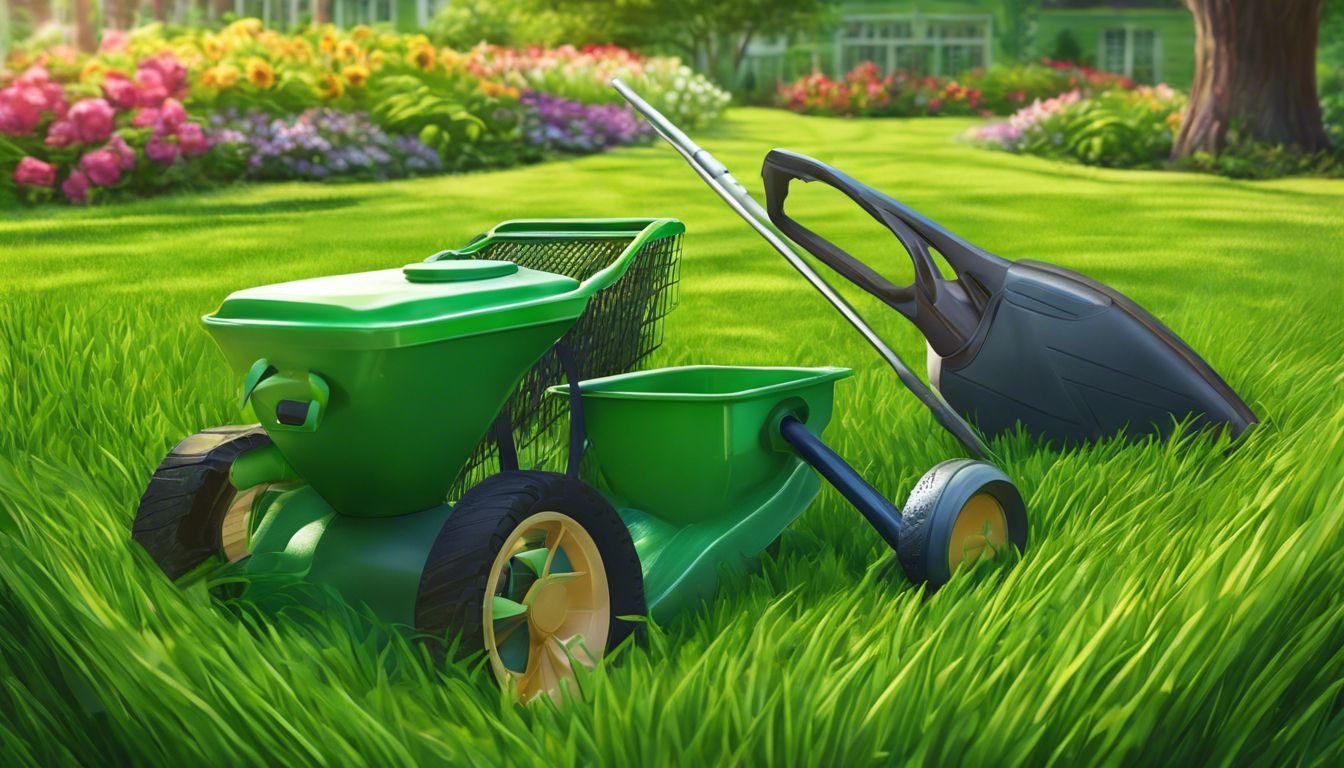
- Use a spreader for even distribution.
- Apply fertilizer along the perimeter first, then cover the remaining area in a crisscross pattern.
- Water the lawn right after fertilizing to help the nutrients penetrate the soil.
- Avoid over – fertilizing to prevent burning the grass.
Top 5 Best Lawn Fertilizers
Looking for the top lawn fertilizers to keep your yard green and healthy? Check out these five highly recommended options that are sure to give your grass a nutrient boost. From slow-release nitrogen to organic lawn food, there’s something here for every type of lawn.
Milorganite Slow Release Nitrogen Lawn Fertilizer
Milorganite Slow Release Nitrogen Lawn Fertilizer is a top-rated choice for maintaining a healthy, green lawn. It contains iron and provides gradual nitrogen release, promoting steady and even grass growth.
This organic fertilizer is safe for kids and pets due to its non-burning formula. Choosing Milorganite ensures your grass receives long-lasting nourishment without the risk of quick-release nutrient spikes that could harm your lawn.
By selecting Milorganite, you’re opting for an effective way to maintain your yard with natural ingredients while contributing to sustainable practices through recycling nutrients.
Organic Lawn Food by Jonathan Green
Now, let’s talk about the Organic Lawn Food by Jonathan Green. It’s a popular choice among gardeners looking for an environmentally friendly option. This organic fertilizer is rich in natural ingredients and provides essential nutrients to your lawn, promoting healthy growth without harmful synthetic additives.
Gardeners who prioritize organic products appreciate that this lawn food is safe for kids and pets, making it a great choice for family-friendly yards. The blend of beneficial microorganisms helps improve soil health while enhancing nutrient absorption, resulting in lush green grass that thrives throughout the growing season.
Choosing the right fertilizer can be overwhelming, but understanding your lawn’s needs will lead you to make informed decisions about which product to use – such as Organic Lawn Food by Jonathan Green.
Scotts Turf Builder Starter Food for New Grass
Now, transitioning from organic lawn food to Scotts Turf Builder Starter Food for New Grass, here’s an effective choice for newly seeded or sodded lawns. The high phosphorus content in this fertilizer promotes strong root development and helps new grass establish quickly.
As a gardener, ensuring the success of newly planted grass is essential, making this product an excellent option. It is designed to provide the essential nutrients needed for robust growth without burning the delicate new grass.
The NPK ratio of 24-25-4 indicates a high concentration of phosphorus required for seedlings‘ root system development. This makes it suitable as one of the best fertilizers for early spring application and promoting healthy green grass growth.
Scotts Turf Builder Weed and Feed
Moving on to the next fertilizer in our list, Scotts Turf Builder Weed and Feed is a popular choice as it not only fertilizes but also helps control weeds. This granular fertilizer is designed to feed your grass while killing dandelions and other major lawn weeds.
It contains nitrogen for lush green growth, phosphorus for strong root development, and potassium for overall health.
This product is most effective when applied in early spring or early fall when weeds are actively growing. The NPK ratio of this fertilizer should be considered carefully based on the specific needs of your lawn grass type and soil conditions.
Ironite Mineral Supplement/Fertilizer
Ironite Mineral Supplement/Fertilizer is a versatile option for gardeners. It contains essential nutrients like iron and other minerals to promote healthy root growth and vibrant green color in your grass.
I recommend Ironite for its quick-acting properties, making it an ideal choice for early spring application. This product supports soil nutrient management while providing the necessary elements for a lush, thriving lawn.
When choosing Ironite Mineral Supplement/Fertilizer, consider its ability to improve the overall health of your grass by promoting strong roots and vigorous growth. Incorporating this mineral supplement into your yard maintenance routine will ensure that your lawn receives the proper nutrition it needs during crucial growing seasons.
Conclusion
In conclusion, finding the best lawn fertilizer depends on factors like grass type and soil needs. Understanding NPK ratio and types of fertilizers is crucial for choosing the right one.
Proper application timing and techniques are vital for a healthy, thriving lawn. Remember to consider your specific lawn’s requirements before selecting the best fertilizer for your yard.

I’m Giulia Moretti, a gardening enthusiast, blogger, and farmer dedicated to sustainable agriculture practices. With hands-on experience managing my own farm, I’ve learned valuable insights into fertilization techniques and soil health. Through Fertigation Direct, I aim to share my knowledge and empower others to achieve successful harvests and vibrant gardens.