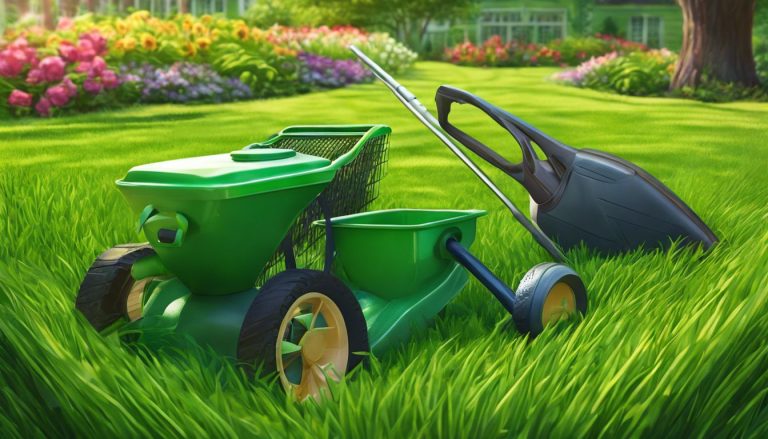
Understanding the Science Behind What Is Slow Release Fertilizer
Ever found yourself in the gardening aisle, your gaze bouncing between bags of fertilizer, each claiming to be the secret to a thriving garden? If so, you’re certainly not alone. Picking out the right plant food can feel like navigating a maze for many gardeners—after all, our goal is to nourish our plants without overdoing it or spinning our wheels.
Let me tell you – deciphering what’s best for those tender shoots and blooms isn’t always straightforward. Especially when terms such as “slow-release” come into play. These particular types of fertilizers are crafted from materials like natural minerals and organic substances that decompose gradually.
This means they provide your plants with consistent nutrients rather than alternating between gluttony and starvation. Through tireless study and experimenting in my own patches of greenery, I’ve pieced together information to help shine a light on this topic for you.
Consider this article your guidebook to demystifying these plant foods so that you can confidently cultivate a verdant oasis brimming with vitality.
So buckle up – we’re about to embark on a journey toward more fruitful gardening adventures!
Key Takeaways
- Slow release fertilizers feed plants steadily over time, avoiding over – fertilization.
- There are different types of slow release fertilizers like controlled-release and metered-release.
- They help plants grow stronger and healthier by providing consistent nutrients.
- Choosing the right type and timing of application is key for good results with slow release fertilizer.
- While more expensive initially, they benefit plant growth and reduce environmental harm overall.
What is Slow Release Fertilizer?
Slow release fertilizer is designed to gradually supply essential nutrients to plants over an extended period of time. It comes in different types, each with its own mechanism for nutrient release.
This blog will explore the science behind slow release fertilizers and their benefits for plant health.
Definition and Purpose
Slow release fertilizer is a type of plant food that provides nutrients over time. Imagine giving your plants a balanced meal that feeds them for weeks or even months. That’s what this fertilizer does—no need to reapply often.
It contains essential elements like nitrogen, phosphorus, and potassium. These are released slowly into the soil.
The purpose of slow release fertilizers is to help plants grow better without wasting nutrients. Plants take in the steady supply as they need it, which makes their growth more even and strong.
This careful way of feeding ensures the roots and leaves get just what they need for health and strength.
Now let’s explore the different types available for your garden!
Different Types
Slow-release fertilizers come in various forms, each with its unique characteristics. Here are the different types:
- Controlled-release fertilizer: These release nutrients at a controlled rate over an extended period, ensuring a consistent supply for plants.
- Delayed-release fertilizer: These gradually release nutrients after a certain time, providing sustained nourishment to plants.
- Metered-release fertilizer: This type releases specific amounts of nutrients at regular intervals, offering precise and steady supplementation for plant growth.
- Continuous-release fertilizer: This type provides a continuous and prolonged nutrient release, promoting sustained plant nutrition.
- Long-lasting fertilizer: These fertilizers offer extended nutrient availability to plants, leading to continuous and balanced growth over an extended period.
Mechanisms of Nutrient Release
Understanding how slow-release fertilizers work is crucial for successful gardening. These fertilizers function through different mechanisms that control the release of nutrients over extended periods, ensuring a steady supply to your plants.
The diffusion mechanism, commonly used in slow-release fertilizers, allows nutrients to move from areas of high concentration to low concentration within the soil, providing a continuous source of nourishment for your plants’ growth and development.
This gradual release not only ensures that the plants receive consistent nutrition but also minimizes any risk of over-fertilization or nutrient leaching into the environment.
The Benefits of Using Slow Release Fertilizer
Using slow release fertilizer provides a steady nutrient supply for plants, reduces the potential for over-fertilization, and ultimately improves plant health.
Steady Nutrient Supply
Slow-release fertilizers provide a steady and gradual nutrient supply to your plants, ensuring they receive a consistent dosage of essential nutrients over an extended period. These fertilizers are designed to release small amounts of nutrients slowly, promoting balanced growth without the risk of over-fertilization.
Using slow-release fertilizers helps maintain optimal soil health while providing plants with the right amount of nourishment they need for sustained development. This method ensures that your garden or crops get a continuous and reliable source of vital elements for their overall well-being and productivity.
Reduced Potential for Over-fertilization is another way slow-release fertilizers benefit plant health significantly by avoiding spikes in nutrient levels that can harm plants. Let’s delve into how these benefits contribute to improved plant health.
Reduced Potential for Over-fertilization
Slow-release fertilizers prevent over-fertilization. They release nutrients slowly, reducing the risk of nutrient overload. This ensures that plants receive a steady supply of nutrients without being overwhelmed.
Over-fertilization can harm plants and lead to environmental pollution. Slow-release fertilizers help to avoid these issues by providing a balanced and controlled nutrient release.
By using slow-release fertilizers, gardeners don’t need to worry about accidentally applying too much fertilizer at once. This reduces the potential for plant damage caused by excessive nutrients, promoting healthier growth in an environmentally responsible manner.
Improved Plant Health
Slow-release fertilizers enhance overall plant health by providing a steady supply of essential nutrients. They support balanced growth and development while reducing the risk of over-fertilization, promoting healthier and more resilient plants.
This gradual nutrient release fosters uniform growth, creating stronger roots and better resistance to environmental stressors. Additionally, slow-release fertilizers are derived from natural ingredients, ensuring safe and sustainable nourishment for your garden.
Choosing the right type of slow-release fertilizer can significantly impact plant health with its extended nutrient release. The gradual uptake of essential elements like nitrogen, phosphorus, and potassium promotes consistent growth without the peaks and valleys associated with traditional fertilizer application methods.
Drawbacks of Using Slow Release Fertilizer
The initial cost of slow release fertilizer may be higher than traditional fertilizers, and it takes time for the nutrients to be released, which can delay plant growth. To learn more about the benefits and best practices of using slow release fertilizer, keep reading!
Initial Cost
Slow-release fertilizers may have a higher initial cost compared to traditional fertilizers. The technology involved in their production, as well as the quality of natural ingredients used, contribute to this price difference.
However, it’s important to consider the long-term benefits these fertilizers offer, such as reduced application frequency and improved plant health over time.
Moving on to “Time for Release”..
Time for Release
Now, let’s talk about the time it takes for slow-release fertilizers to release their nutrients. These fertilizers have a controlled mechanism, slowly releasing nutrients over an extended period.
This gradual process ensures that plants receive a continuous and steady supply of essential elements like nitrogen, phosphorus, and potassium. The extended release of nutrients contributes to sustained plant nutrition and minimizes the risk of over-fertilization, promoting healthier and more balanced growth while supporting overall plant health.
The different types of slow-release fertilizers offer varying patterns of nutrient release, contributing to their versatility in meeting specific gardening needs. Gardeners can choose from options like granular organic or controlled-release fertilizers depending on factors such as crop yield goals and environmental considerations.
Environmental Impact
Using slow-release fertilizers has a positive environmental impact. These fertilizers release nutrients gradually, reducing the risk of leaching into water sources and minimizing the potential for harming aquatic life.
Additionally, slow-release fertilizers help to decrease greenhouse gas emissions by improving nutrient uptake efficiency, thus lowering the overall carbon footprint associated with fertilizer use.
Choosing slow-release fertilizers can support sustainable gardening practices while nourishing plant growth.
Best Practices for Using Slow Release Fertilizer
– Choosing the right type of slow release fertilizer for your specific plants and soil conditions is crucial for optimal results.
– Proper application and timing are essential to ensure that the nutrients are released when the plants need them most.
Choosing the Right Type
When choosing the right type of slow-release fertilizer, consider the specific nutrient needs of your plants. Select a fertilizer with a balanced blend of nitrogen, phosphorus, and potassium to support overall plant health and growth.
Look for options labeled as extended-release or controlled-release fertilizers to ensure a steady and continuous nutrient supply over an extended period.
Consider organic slow-release fertilizers if you prefer natural ingredients derived from once-living organisms. These options provide sustainable nutrient supplementation while being environmentally friendly.
Proper Application and Timing
To effectively use slow-release fertilizers, it’s important to apply them at the right time during the plant’s growth cycle. Choosing a slow-release fertilizer that matches your plant’s specific nutrient requirements is crucial.
Consider factors like soil temperature and moisture when determining the best time for application. This type of fertilizer works best when applied at the beginning of the growing season, ensuring consistent nutrient supply throughout the plant’s development.
Always follow package instructions to achieve optimal results with your chosen slow-release fertilizer.
Compatibility with Other Fertilizers
When choosing slow-release fertilizers, it’s essential to consider their compatibility with other types of fertilizers. Some slow-release fertilizers may not mix well with quick-release or liquid fertilizers, so it’s crucial to follow the manufacturer’s recommendations for application.
Additionally, using slow-release fertilizers in combination with organic matter can enhance soil quality and nutrient retention, promoting healthier plant growth. By understanding the compatibility of different types of fertilizers, we can maximize their benefits for our gardens while minimizing any potential negative interactions.
Now let’s explore the next topic: “Best Practices for Using Slow Release Fertilizer”.
Conclusion
In conclusion, understanding slow release fertilizers helps gardeners make informed choices. They provide a gradual and balanced nutrient supply to plants. Despite initial costs, their benefits in promoting plant health and reducing environmental impact are significant.
Utilizing best practices ensures effective use of slow release fertilizers for sustainable gardening.

I’m Giulia Moretti, a gardening enthusiast, blogger, and farmer dedicated to sustainable agriculture practices. With hands-on experience managing my own farm, I’ve learned valuable insights into fertilization techniques and soil health. Through Fertigation Direct, I aim to share my knowledge and empower others to achieve successful harvests and vibrant gardens.