What Does Fertilizer Burn Look Like? Identifying Symptoms and Signs
Peering out at your garden or lawn, you might catch sight of those unwelcome brown or yellow patches breaking up the expanse of green—a sight that can dampen the spirit of any plant enthusiast.
You’ve invested time and effort watering diligently and tending to your botanical kin, so when these splotches appear, it feels like a mystery wrapped in an enigma.
From my own experience, staring down at my cherished lawn now mottled with unsightly tones, I realized something was amiss. My journey into solving this riddle revealed a common villain: fertilizer burn—the classic tale of too much love (in nutrient form) leading to distress.
Astonishingly enough, grass can go from verdant to scorched sienna nearly overnight because of over-fertilizing. This guide is all about recognizing the red flags of this nutrient excess, restoring your plants’ health with tender care, and sharing wisdom for keeping future garden woes at bay.
Together we’ll revitalize your outdoor sanctuary’s splendor!
Stay tuned; I’m rolling up my sleeves to share some nurturing know-how!
Key Takeaways
- Fertilizer burn appears as brown or yellow patches in the lawn and dry, scorched leaf tips on plants.
- Overfertilization pulls water away from plant roots, causing dehydration and damage.
- Organic fertilizers can also cause burns if used too much, just like synthetic ones.
- To fix fertilizer burn, remove damaged grass, wash out excess fertilizer, and reseed if needed.
- Always follow recommended application rates for fertilizers to prevent burning your plants.
Understanding Fertilizer Burn
Fertilizer burn occurs when plants are exposed to an excessive amount of fertilizer, leading to chemical burns on their leaves and roots. This can be caused by over-application or using the wrong type of fertilizer, which can result in plant stress and ultimately damage.
Can organic fertilizers cause burn? Let’s find out in the next section.
Causes of Fertilizer Burn
Too much fertilizer can hurt your plants. It’s like giving someone too much food; it can make them sick. When you use more fertilizer than a plant needs, the extra nutrients can damage or even kill the grass and leaves.
This is called overfertilization and it’s a common mistake.
Here’s how it happens: fertilizers have salts that pull water away from plant roots and grass blades. If there is too much salt, it takes too much water out and the plants get dehydrated.
The leaves turn brown or yellow because they’re thirsty and scorched without enough water. Always measure carefully to avoid nutrient burn which harms your lovely greens!
Can organic fertilizers cause burn?
Organic fertilizers can cause burn if used in excessive amounts, leading to an overload of nutrients that harm the plants. The symptoms of organic fertilizer burn are similar to those caused by synthetic fertilizers and include leaf discoloration, scorching, or browning.
It’s essential to carefully follow recommended application rates for organic fertilizers and monitor plant response to prevent overfertilization. Using composted organic materials helps minimize the risk of burning while providing essential nutrients for healthy plant growth.
Understanding how organic fertilizers interact with plants is crucial in preventing burn and ensuring proper nutrition without harming them. By using organic fertilizers responsibly, we can provide necessary nourishment for our plants while avoiding damage from overfertilization.
Identifying Fertilizer Burn
When it comes to identifying fertilizer burn, physical symptoms may include yellow or brown discoloration on the leaves, stunted growth, or even wilted plants. It’s important to thoroughly inspect your lawn for any signs of damage and be aware of the common affected plants such as grass, shrubs, and trees.
Physical symptoms
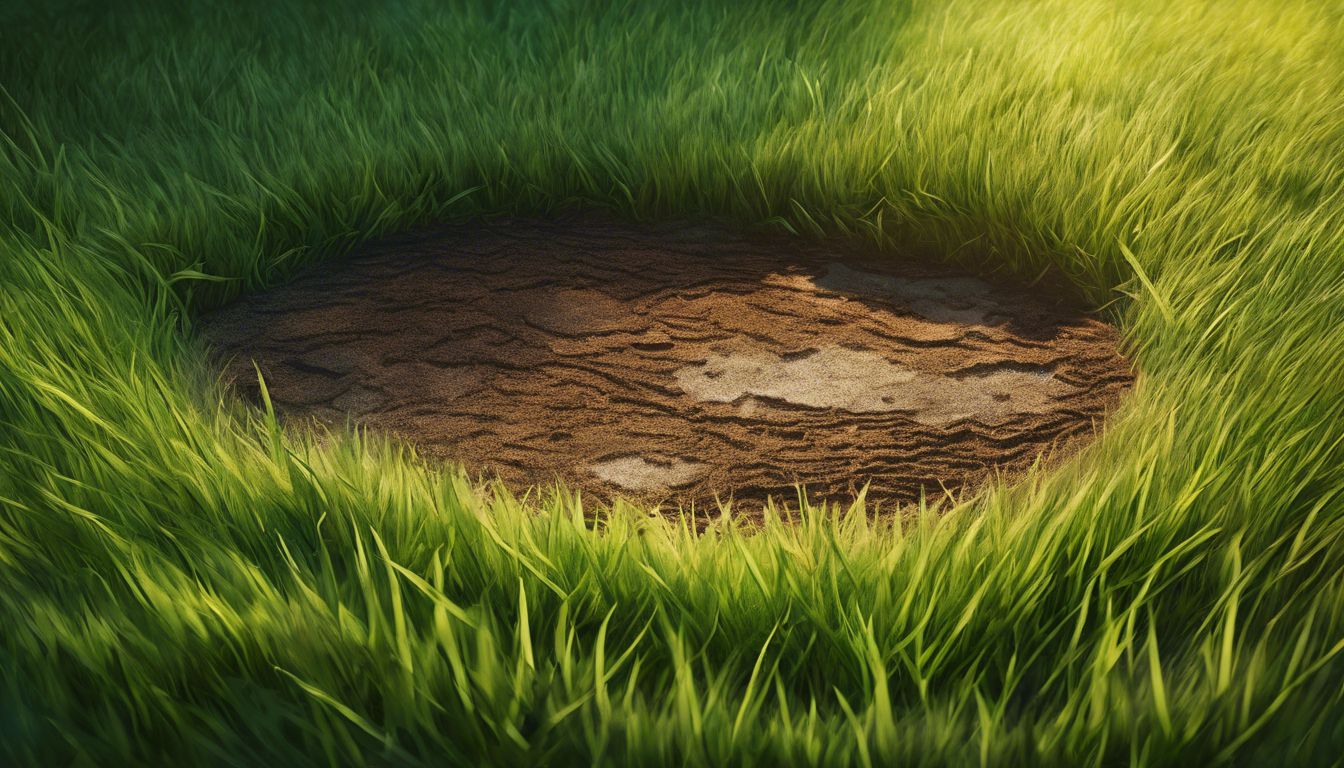
Fertilizer burn shows as brown or yellow patches in the lawn, resembling dead grass. Symptoms on plants include dry, brown leaf tips and edges, also white crust or deposits on soil, pot surfaces, leaves, and stems.
- Dry, brown leaf tips and edges
- White crust or deposits on soil
- White crust or deposits on pot surfaces
- White crust or deposits on leaves
- White crust or deposits on stems
Common affected plants
Fertilizer burn can affect various plants in your garden. Here are some common plants that are susceptible to fertilizer burn:
- Tomatoes – The delicate nature of tomato plants makes them sensitive to over-fertilization, causing leaf discoloration and affecting fruit production.
- Roses – These beautiful flowers can suffer from fertilizer burn, resulting in stunted growth, yellowing leaves, and reduced flowering.
- Lawns – Grasses, such as Bermuda grass and Kentucky bluegrass, are often impacted by fertilizer burn, leading to discolored patches and uneven growth across the lawn.
- Shrubs – Ornamental shrubs like azaleas and rhododendrons can show signs of fertilizer burn through wilted leaves and diminished blooming.
- Vegetables – Crops like peppers and lettuce may exhibit symptoms of fertilizer burn, including scorched foliage and decreased yield.
How to thoroughly inspect your lawn
To thoroughly inspect your lawn for signs of fertilizer burn, follow these steps:
- Walk around your lawn and look for brown or yellow patches in the grass, which may indicate damage from fertilizer burn.
- Check the leaves of plants for dry, brown tips and edges, as well as any white crust or deposits on the soil surface.
- Examine the affected plants closely for yellow or brown spots on their foliage, resembling burnt areas.
- Look for a contrast between healthy green grass and patchy brown areas, as this can be a symptom of fertilizer burn.
- Inspect the uniformity of your lawn – striped, uniform lawns are a sign of healthy grass, while fertilizer burn can disrupt this uniform appearance with irregular patches.
- Ensure to keep an eye out for any signs of skin irritation when handling fertilizers during inspection.
Treating Fertilizer Burn
To treat fertilizer burn, it’s important to remove damaged grass and leftover fertilizer, followed by proper watering techniques and reseeding if necessary. This will help in reversing the damage caused by overfertilization and promoting healthy growth of your lawn.
Removing damaged grass and leftover fertilizer
To repair the damage caused by fertilizer burn, follow these steps:
- Carefully cut out the affected areas of grass using a sharp shovel or rake, ensuring to remove the damaged grass and roots entirely.
- Thoroughly water the area to help dilute and wash away any excess fertilizer residue.
- Dispose of the removed grass and leftover fertilizer properly to prevent further contamination.
- After removing the damaged grass, apply fresh topsoil to fill in the gaps and level the surface.
- Water the reseeded areas gently to promote healthy growth and recovery of your lawn.
Proper watering techniques
When treating fertilizer burn, it’s critical to also implement proper watering techniques. Follow these steps to ensure your lawn stays healthy:
- Water deeply and infrequently to encourage deep root growth and prevent nutrient runoff.
- Water early in the morning to allow for maximum absorption before the evaporation rate increases.
- Adjust watering frequency based on weather conditions, such as rain or drought, to maintain soil moisture levels.
- Use a soaker hose or drip irrigation system to deliver water directly to the roots and minimize leaf wetness.
- Monitor soil moisture regularly using a trowel or soil moisture meter to determine when watering is necessary.
- Avoid overwatering, as excessively wet soil can exacerbate nutrient issues and lead to fungal diseases.
Reseeding if necessary
After properly watering the affected area, reseeding may be necessary to restore the grass to its optimal state. Here are the steps to follow for reseeding if the grass has been severely damaged by fertilizer burn:
- Prepare the soil by removing any dead grass and loosening the top layer with a rake to create a suitable environment for new seed growth.
- Select high-quality grass seed that is well-suited for your specific climate and soil type to ensure successful germination and growth.
- Evenly spread the grass seed over the affected area, ensuring thorough coverage for uniform regrowth.
- Lightly rake over the seeded area to mix the seeds into the soil, allowing for better soil – seed contact and enhanced germination.
- Gently water the reseeded area, keeping the soil consistently moist to facilitate seed germination without causing runoff or excessive saturation.
- Apply a thin layer of mulch over the seeded area to protect against erosion, retain moisture, and provide insulation for young sprouts.
- Monitor and maintain proper watering and care for the newly seeded area, ensuring regular moisture and protection from external stressors until new growth appears.
Preventing Fertilizer Burn
Choose the right fertilizer for your plants and follow proper application techniques to avoid overfertilization. For more tips on preventing and treating fertilizer burn, keep reading!
Proper fertilizer selection and application
As a gardener, it’s important to select the right fertilizer and apply it properly for healthy plant growth. Here are some key points to consider:
- Choose a fertilizer with the appropriate balance of nitrogen, phosphorus, and potassium for your specific plants to avoid over-fertilization.
- Consider slow – release fertilizers to provide nutrients gradually over time, reducing the risk of fertilizer burn.
- Test your soil to determine its pH level and nutrient deficiencies before choosing a fertilizer to address any specific needs.
- Follow the recommended application rates on the fertilizer package to avoid applying too much or too little.
- Apply fertilizers during the appropriate season or growth stage of your plants for optimal uptake and utilization of nutrients.
- Water your plants thoroughly after applying fertilizer to help prevent concentrated salts from damaging roots and causing burn.
- Store fertilizers in a cool, dry place away from children and pets to ensure safe handling and use.
Signs of overfertilization
To prevent fertilizer burn, it’s crucial to recognize the signs of overfertilization. Excessive fertilization can lead to stunted growth, weak plants, and an increase in pests and diseases.
Signs include unusually thick or lush foliage, delayed flowering or fruiting, as well as multiple flushes of new growth. Overfertilized plants may also show signs of scorched leaves or have an overall unhealthy appearance due to nutrient imbalances.
These signs serve as indicators that adjustments are needed in the fertilization regimen to maintain plant health and vigor.
Importance of professional help in preventing and treating fertilizer burn.
Seeking professional help is crucial in preventing and treating fertilizer burn. Professionals can conduct soil tests to determine the exact nutrient needs of your plants, ensuring you apply the right amount of fertilizer without causing harm.
They can also provide personalized advice on proper fertilization schedules and techniques based on your specific lawn or garden requirements, helping to prevent overfertilization.
Additionally, experts are equipped with knowledge on identifying early signs of fertilizer burn and can offer prompt remedies to mitigate any damage before it becomes severe.
Professionals possess the expertise to diagnose and treat existing cases of fertilizer burn effectively. Their insights into suitable corrective measures such as leaching excess nutrients from the soil and implementing targeted watering strategies can aid in reversing the effects of overfertilization.
Furthermore, their guidance on selecting the appropriate types of fertilizers for your plants’ unique needs plays a vital role in steering clear from potential damage caused by improper choices.
Conclusion
In conclusion, identifying fertilizer burn is crucial for maintaining a healthy garden. Symptoms include brown or yellow patches in the lawn and dry, brown leaf tips on plants. Proper care, regular inspection, and appropriate treatment can help prevent and repair damage caused by fertilizer burn.
Don’t overlook signs of over-fertilization; taking action early can make a big difference in keeping your garden thriving. Remember to handle fertilizers with care to avoid skin irritation.

I’m Giulia Moretti, a gardening enthusiast, blogger, and farmer dedicated to sustainable agriculture practices. With hands-on experience managing my own farm, I’ve learned valuable insights into fertilization techniques and soil health. Through Fertigation Direct, I aim to share my knowledge and empower others to achieve successful harvests and vibrant gardens.