How much fertilizer per plant: A comprehensive guide for all types of plants
If you’re someone who finds peace among the leaves and blooms, you’ll understand the quiet thrill that comes with nurturing your plants and watching them grow. Yet, even those of us with a knack for keeping our greenery lush run into that common conundrum: figuring out the perfect amount of fertilizer to keep our plants happy without going overboard.
Trust me, I know how it feels to stand in the garden, fertilizer scoop in hand, second-guessing every move. It took some digging through research and getting my hands (quite literally) into the soil before things started clicking for me.
But now I’m excited to share my findings with you! In this guide, we’ll explore everything from nailing down the right measurements to applying fertilizers effectively across various plant species — all making sure your garden not only survives but thrives.
So if you’re eager for a vibrant patch of greenery without playing a guessing game each time you feed your plants, let’s jump right in!
Key Takeaways
- Different plants have unique fertilizer needs based on their growth, soil conditions, and nutrient deficiencies. It’s important to understand these requirements to apply the correct types and amounts of fertilizer.
- Over – fertilizing can harm plants by burning roots or causing stunted growth. Following package instructions for application rates helps avoid this issue.
- Nitrogen, phosphorus, and potassium are key nutrients that support leafy growth, root development, and overall plant health. Knowing how much of these nutrients your plants need is essential for proper fertilization.
- Soil texture affects nutrient availability in different ways; fine – textured soils hold more nutrients but make them less accessible while coarse textures drain faster but may need more frequent fertilization.
- Contacting local Extension offices provides resources and expert advice tailored to specific regional conditions for gardeners seeking guidance on proper fertilization methods.
Understanding Fertilizer Rates and Applications
Plants need essential nutrients to grow and thrive, and understanding the availability of these nutrients in soil is crucial. Texture plays a significant role in nutrient availability, so it’s important to choose the right fertilizers based on soil analysis for optimal plant growth.
Additionally, knowing the difference between inorganic and organic fertilizers can help make informed decisions for your plants’ nutritional needs.
Why plants need nutrients
Nutrients are like food for plants. They help them grow strong roots, leaves, and flowers. Nitrogen makes the leaves green and helps with growth. Phosphorus is good for strong roots and flowers.
Potassium keeps the plant healthy overall.
Soil sometimes doesn’t have enough nutrients. That’s where fertilizer comes in to help out. It’s a boost of food that gives plants what they need to grow big and healthy. We use it carefully so we don’t harm our plants or nature.
Nutrient availability in soils
Soil nutrient availability is crucial for healthy plant growth. Different types of soils have varying capacities to hold and supply nutrients to plants. Sandy soils drain quickly, affecting nutrient retention and availability, while clay soils can hold onto nutrients but may restrict their release to plants.
Understanding your soil type helps determine the right fertilizer application rates. Additionally, some nutrients in the soil are naturally available, while others may need supplementation through fertilization.
Plants absorb essential macronutrients like nitrogen (N), phosphorus (P), and potassium (K) from the soil to support their growth and development. These primary macronutrients must be present in sufficient quantities in the soil for optimal plant health.
Texture and its impact on nutrient availability
The soil texture directly affects the availability of nutrients to plants. Fine-textured soils, like clay, hold more nutrients and water compared to coarse-textured soils. The smaller particles in fine-textured soil bind with nutrients, making them less accessible to plant roots.
On the other hand, coarse-textured soils have larger open spaces that allow for better aeration but result in faster drainage of water and leaching of nutrients.
Understanding the impact of soil texture on nutrient availability is crucial for proper fertilization. It affects how often and how much fertilizer should be applied based on your specific soil type and the plants you are growing.
Choosing the right fertilizers based on analysis
Fertilizer selection relies on understanding the specific nutrient needs of your plants. Analyze the soil to identify which nutrients are lacking and choose a fertilizer with the right balance of nitrogen (N), phosphorus (P), and potassium (K).
Different plants have different requirements, so it’s crucial to match the fertilizer to their specific needs. Consider factors such as soil texture, pH levels, and any existing nutrient issues when selecting the appropriate type of fertilizer for your garden.
With different plants having distinct requirements, it is essential to analyze individual plant needs. By considering soil conditions and nutritional deficiencies, you can select fertilizers tailored to meet those exacting demands.
Inorganic vs. organic fertilizers
Inorganic fertilizers are synthetic and contain specific nutrient ratios. They provide an immediate supply of nutrients to plants and have high solubility, making them readily available.
On the other hand, organic fertilizers come from natural sources, such as compost or manure. They release nutrients slowly as they decompose, improving soil structure over time. Understanding their differences helps in choosing the right fertilizer for specific plant needs.
Using the appropriate fertilizer is crucial for promoting healthy plant growth and maintaining soil fertility. This knowledge guides us in making informed decisions when selecting fertilizers for our garden plants.
How to Calculate Fertilizer Rates
Understanding how to calculate the right amount of fertilizer for your plants is crucial for their health and growth. In this section, we will discuss the general guidelines for fertilizer use and the importance of nitrogen, phosphorus, and potassium in plant nutrition.
General guidelines for fertilizer use
To determine the right amount of fertilizer, I follow recommendations based on the plant type. It’s crucial to understand the specific nutrient needs for each type of plant and calculate fertilization rates accordingly.
By choosing a balanced fertilizer and applying it at recommended intervals, I ensure my plants receive essential nutrients without over-fertilizing them. With an awareness of the plant’s growth stage and seasonal requirements, I avoid harmfully affecting both my plants and the environment.
Regular monitoring allows me to adjust usage as needed while promoting healthy growth in an efficient manner.
Nitrogen, phosphorus, and potassium and their importance
Plants need important nutrients like nitrogen, phosphorus, and potassium for their growth. Nitrogen helps with leafy green growth, while phosphorus supports strong root development.
Potassium aids in overall plant health and disease resistance. Understanding these three key nutrients is crucial for providing the right balance to support healthy and thriving plants.
Fertilizers play a vital role in providing plants with these essential nutrients. Nitrogen promotes lush foliage, while phosphorus contributes to robust root systems. Meanwhile, potassium supports flower and fruit development as well as overall plant vigor.
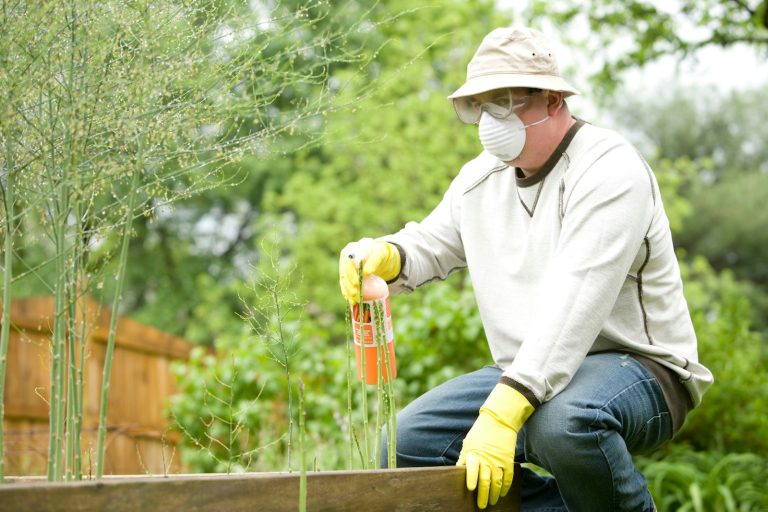
Properly using fertilizers to avoid harming plants
Using the right amount of fertilizer for each plant type is crucial to prevent harm. Over-fertilizing can burn roots and stunt growth, while under-fertilizing deprives plants of essential nutrients.
Carefully follow the instructions on the fertilizer package to determine the correct application rate. Ensure you measure accurately and avoid spilling excess fertilizer near plants or into water sources.
Understanding each plant’s specific needs will guide you in providing the ideal nutrient balance. This not only supports healthy growth but also prevents environmental damage from excess runoff.
Utilize fertilizers responsibly, keeping in mind their potential impact on both your plants and the surrounding ecosystem.
Fertilizing Different Types of Plants
Now, let’s dive into the specifics of fertilizing different types of plants. Whether you have a garden, houseplants, or vegetables, I’ll guide you on the proper fertilization techniques for each type of plant.
Garden plants
I love taking care of garden plants. They have specific fertilizer needs to thrive successfully. Here are some essential tips for fertilizing your garden plants:
- Different plants have varying nutrient requirements, so it’s vital to understand the specific needs of each type.
- Annual plants may need fertilization every two or three weeks during their growing season, while other plants require different feeding schedules.
- Consider the specific nutritional needs of vegetables, flowers, and shrubs before applying fertilizers to ensure optimal growth and health.
- Understand the importance of nitrogen, phosphorus, and potassium for the healthy development of garden plants.
- When using complete fertilizer on woody plants, aim for a ratio of approximately 3-1-2 or 3-1-1 to fulfill all three essential nutrients.
- Ensure responsible use of fertilizer to prevent over – fertilization, which can harm both the plants and the environment.
Houseplants and container gardens
I’ll begin by discussing the fertilizer needs of houseplants and container gardens in 2 concise sentences and then list out the details.
- Choose a balanced liquid fertilizer specifically formulated for indoor plants or container gardens, ensuring it contains nitrogen (N), phosphorus (P), and potassium (K) in appropriate proportions.
- Dilute the liquid fertilizer according to the instructions on the label, usually at half-strength, and apply it to the soil around the plants every 4-6 weeks during their active growing season.
- Understand the specific nutrient requirements of each type of houseplant, as different species may have varying needs for nutrients such as iron, magnesium, or calcium.
- Take into account the potting mix used for your houseplants, as soilless mixes typically require more frequent fertilization than those containing soil due to their lack of natural nutrients.
- Monitor your container garden closely for any signs of nutrient deficiencies, such as yellowing leaves or stunted growth, and adjust your fertilization schedule accordingly.
- Consider using slow-release fertilizers for long-term nutrient provision in container gardens, ensuring they are incorporated into the soil mix during planting or applied as a top dressing according to package instructions.
Vegetables and common nutrient issues
Moving on from the care of houseplants and container gardens, it’s essential to understand the specific fertilizer needs of vegetables and common nutrient issues. Here are some important factors to consider when fertilizing your vegetable plants:
- Vegetables such as tomatoes, peppers, and squash require a balanced fertilizer high in nitrogen to support their leafy growth and overall development.
- Root vegetables like carrots and beets thrive with a fertilizer low in nitrogen but rich in phosphorus for healthy root development.
- Pay attention to any signs of nutrient deficiencies, such as yellowing leaves or stunted growth, which may indicate a need for specific nutrients like iron or magnesium.
- Consider using organic fertilizers for vegetables to promote soil health and reduce the risk of chemical buildup in your produce.
- Properly timing your fertilizer applications is crucial; too much nitrogen early in the season can lead to excessive foliage growth at the expense of fruit production.
- Always follow recommended guidelines for fertilizing specific vegetable crops and adjust based on visual assessments of plant health and soil conditions.
- Knowledge of your soil’s nutrient levels is key; conducting a soil test can provide valuable insights into the exact fertilizer requirements for your vegetable garden.
- Utilize fertilizers with micronutrients like boron, zinc, and copper as needed to ensure well-rounded nutrition for your vegetable plants.
Frequently Asked Questions
How much fertilizer per plant? How often to fertilize plants? Find the answers to these questions and more in this comprehensive guide. Read on for helpful tips and resources to properly fertilize all your plants.
[Conclusion]: Connect with Extension for more information.How much fertilizer per plant?
Each type of plant has specific fertilizer needs, so it’s important to understand the requirements for your particular garden. For example, annual plants may need fertilization every two or three weeks during their short season, while other plants might have different feeding schedules based on their growth pattern and nutrient demands.
I always check the guidelines for my home garden, as they often give recommendations in pounds of nitrogen, phosphorus oxide, and potassium per 100 square feet.
Understanding these specifics can help tailor your fertilization approach effectively and ensure healthy growth for all types of plants.
How often to fertilize plants?
To keep my garden healthy, it’s crucial to understand how often each type of plant should be fertilized. Different plants have different needs; annuals typically require more frequent fertilization, every two or three weeks during their short season.
Perennials might need feeding only once a year. Woody plants benefit from one application in early spring to enhance growth and another in fall for root development.
Understanding the specific fertilizer requirements for various types of plants is essential for their optimal health and growth, as over-fertilization can harm both the plants and the environment.
Correctly fertilizing all your plants
To ensure proper fertilization for all your plants, it’s essential to understand their specific nutrient needs and the right type of fertilizer. Different plants require different amounts of nitrogen, phosphorus, and potassium for healthy growth.
For example, vegetables may need more frequent feeding than perennial flowers. It’s crucial to follow recommended guidelines for applying fertilizer and avoid over-fertilizing, as this can harm both the plants and the environment.
By choosing the right fertilizer types and understanding plant-specific requirements, you can effectively fertilize all your plants for optimal growth.
Helpful tips and resources
When fertilizing different types of plants, it’s important to use the right type and amount of fertilizer. Check the specific requirements for each plant to avoid over-fertilization.
I recommend using complete fertilizers that contain all essential nutrients for healthy growth. For more detailed information on specific plants, connect with Extension services or refer to trusted gardening resources.
Understanding and following proper fertilization practices will lead to healthier and more vibrant plants.
Connect with Extension for more information
For more information on fertilizing different types of plants and to get personalized advice for your gardening needs, I recommend reaching out to your local Extension office. They can provide valuable resources, workshops, and expert guidance tailored to your specific region and plant varieties.
Extension services also offer soil testing facilities that can determine the precise nutrient requirements for your plants, helping you make informed decisions about fertilizer usage.
Utilizing these resources will ensure that you are providing the best care for your garden while promoting healthy plant growth and sustainable practices.
Remember to connect with Extension for helpful tips on maintaining a balanced fertilizer application tailored to each type of plant in your garden. The experts at Extension can guide you through selecting the most suitable fertilizers according to the specific nutrient needs of individual plants, ensuring optimal growth and bloom development.
Conclusion
In conclusion, understanding the fertilizer needs of different plants is crucial. Properly calculating and applying the right amount of fertilizer ensures healthy growth. Always consider the specific requirements of each plant to avoid over-fertilization.
Remember, responsible fertilization not only benefits your plants but also protects the environment. Seek more information from Extension resources for successful plant care.

I’m Giulia Moretti, a gardening enthusiast, blogger, and farmer dedicated to sustainable agriculture practices. With hands-on experience managing my own farm, I’ve learned valuable insights into fertilization techniques and soil health. Through Fertigation Direct, I aim to share my knowledge and empower others to achieve successful harvests and vibrant gardens.