How to Use Chicken Poop as Fertilizer: A Complete Guide for Home Gardeners
Hey fellow green thumbs! Ever found yourself gazing at your chickens pecking away, only to glance down at the pile of droppings and ponder the potential beneath your boots? If you’ve ever scratched your head about whether that poopy prize could be the secret sauce for a verdant veggie patch, I’m with you.
Plenty of us wonder how we can harness our clucky companions’ leftovers without getting into a fowl situation.
Now, after plunging my hands into both academic research and garden dirt alike, I’ve got some good news to share. It turns out chicken manure isn’t just another thing to shovel—it’s like discovering buried treasure for your beetroot and blooms! Whether it’s brewing up a potent compost tea or figuring out just right amount not to overwhelm your delicate darlings – this post is going to spill all the beans on turning those droppings into dividends for your dirt.
So gear up for gardens so lush they practically hum with health! Keep on reading—every tidbit has its season in the sun!
Key Takeaways
- Chicken manure is packed with nutrients that help plants grow. It has nitrogen for green leaves, phosphorus for roots and flowers, and potassium for overall health.
- Always compost chicken poop before using it as fertilizer. This kills bad germs and makes sure it won’t burn your plants.
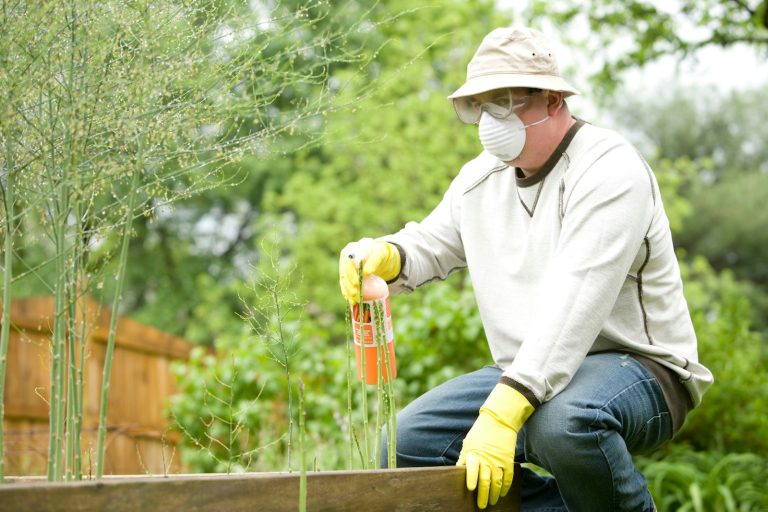
- Wear protection like gloves and a mask when dealing with chicken manure to stay safe from bacteria.
- Apply the right amount of chicken poop to your soil. Too much can hurt your plants. Keep it away from plant roots too.
- If you don’t have chickens, you can buy chicken manure or choose pre-packaged products from local farms or garden centers.
Benefits of Chicken Manure as Fertilizer
Chicken manure is a nutrient-rich fertilizer that can greatly benefit your garden. It’s high in nitrogen, phosphorus, and potassium, which are essential for promoting healthy plant growth and improving soil structure and moisture retention.
High in nutrients (nitrogen, phosphorus, potassium)
I love using chicken poop in my garden because it’s packed with essential nutrients that my plants crave. It’s like a superfood for the soil! Nitrogen helps leaves grow green and strong, phosphorus is great for roots and flowers, and potassium makes sure overall plant health is top-notch.
This trio of nutrients means I can count on a bountiful harvest.
When I mix chicken manure into my compost pile, it boosts the nutrient content even more. My veggies thrive when they get this rich blend from the compost. Plus, knowing that I’m giving them all-natural fertilizer makes me feel good about what goes on my family’s plate!
Improves soil structure and moisture retention
Chicken manure improves soil structure, making it crumbly and easier for plants to grow. Its rich carbon-based matter helps maintain moisture in the soil, reducing the need for frequent watering.
The organic material also encourages beneficial microbial activity in the soil, promoting a healthy environment for plant roots to thrive and absorb nutrients effectively.
This creates an ideal foundation for growing strong, vigorous plants while maintaining optimal moisture levels within the soil. With chicken manure as fertilizer, your garden’s structural integrity and moisture regulation are well taken care of, paving the way for lush, thriving vegetation in your backyard oasis or vegetable patch.
Promotes healthy plant growth
Improving soil structure and moisture retention is essential for the health of your plants. Chicken manure, a rich source of nitrogen, phosphorus, and potassium, contributes to robust plant growth by providing essential nutrients for overall health and development.
The nutrient-rich composition of chicken manure aids in promoting strong root systems and vibrant foliage while enhancing the resilience of plants against diseases and pests. Incorporating composted chicken manure into your gardening practices will lead to flourishing, bountiful homegrown produce while fostering sustainable gardening practices with natural fertilizers.
Safe Handling and Storage of Chicken Manure
When it comes to handling chicken manure, it’s essential to wear protective gear and compost and age the manure before use. Proper storage is also crucial in preventing odors and contamination.
Wear protective gear
Put on gloves, a mask, and protective clothing before handling chicken manure.
Safety goggles are essential when dealing with chicken poop to protect your eyes from any potential splashes or dust.
Compost and age manure before use
Before using chicken manure as fertilizer, it’s crucial to compost and age the manure. This process helps break down the raw manure, reducing the risk of burning plants with excessive nitrogen.
Additionally, aging manure allows harmful pathogens to die off. This ensures that when incorporated into the soil, it won’t pose a threat to plant health or human safety. Composting chicken manure also maximizes its nutrient content, making it more beneficial for your garden.
To effectively compose and age chicken manure for use in your garden, mix it with carbon-based matter like straw or leaves in a compost pile. Regularly turn and moisten the pile to aid decomposition until it turns dark and crumbly – this indicates that it’s ready for use as a nutrient-rich soil amendment.
Proper storage to prevent odors and contamination
To prevent odors and contamination, store chicken manure in a covered container to keep out pests and avoid waterlogging. Use a compost bin or dedicated area away from the vegetable garden.
Always wear gloves when handling manure to protect against bacteria and pathogens. Mixing with carbon-based matter like straw or leaves can help reduce odors and improve compost quality.
Regularly turn the compost pile to aerate it, which speeds up decomposition and minimizes smell. Remember, proper storage not only prevents foul odors but also protects your fertilizer from potential contamination.
Applying Chicken Manure as Fertilizer
Determine the amount and frequency of chicken manure based on soil and plant needs for optimal growth. Click here to learn more about safely applying chicken poop as fertilizer in your home garden!
Determine amount and frequency based on soil and plant needs
I calculate the amount and timing of chicken manure application by evaluating my soil’s existing nutrient levels and plant requirements. I consider the nitrogen, phosphorus, and potassium content in the fertilizer to ensure a balanced feeding schedule for my garden.
Monitoring soil moisture and structure also influences how often I apply the manure to maintain healthy plant growth. Adjusting the amount and frequency in line with these factors optimizes nutrient uptake without overwhelming plants or degrading soil quality.
By analyzing my soil composition and understanding my plants’ nutritional demands, I tailor both quantity and timing of chicken manure applications for optimal gardening benefits.
Avoid direct contact with plant roots
When applying chicken manure as fertilizer, avoid direct contact with plant roots to prevent burning and damaging the delicate root systems. Chicken manure is potent and can be harmful to plants if it comes into contact with their roots directly, so always ensure there is a protective layer of soil between the manure and the plant roots.
This practice will help in providing all the benefits of chicken manure while safeguarding your plants from potential harm caused by its concentrated nutrients.
Utilize this cautionary measure when fertilizing your garden with chicken poop tea or incorporating aged chicken manure into compost – maintaining distance from plant roots ensures that your garden flourishes and receives the enriching benefits without risking any adverse effects on your beloved plants.
Implement crop rotation
To maximize the benefits of using chicken manure in your garden, I rotate the types of crops I plant in different areas each season. This helps prevent nutrient depletion and soil-borne diseases while maintaining a healthy balance.
It’s important to note that certain plants can leave the soil depleted, but by rotating them with others that enrich the soil, you can ensure a sustainable and thriving garden. Understanding which crops complement each other is crucial for successful crop rotation, helping maintain nutrient-rich soil without relying solely on chemical fertilizers.
Next, let’s delve into “Alternative Options for Obtaining Chicken Manure,” where we explore various ways to incorporate this natural fertilizer into your gardening practices.
Alternative Options for Obtaining Chicken Manure
Consider keeping chickens in your home garden to collect their manure, or purchase it from local farms or garden centers. You can also opt for pre-packaged chicken manure products as an alternative source of this nutrient-rich fertilizer.
Keeping chickens in a home garden
Raising chickens in my home garden provides a natural source of high-quality manure for fertilizing my plants. Chickens produce nutrient-rich waste that can be composted to create organic fertilizer.
The process is eco-friendly and helps maintain healthy, nutrient-rich soil for my garden, promoting sustainable and organic gardening practices.
Having chickens in my backyard allows me to recycle their manure into valuable fertilizer, reducing the need for chemical-based alternatives. As an avid gardener, I appreciate the dual benefit of having fresh eggs and a renewable source of natural fertilizer right at my fingertips.
Purchase from local farms or garden centers
When buying chicken manure, consider getting it from local farms or garden centers to support your community and reduce transportation emissions. Local suppliers often offer fresh and high-quality poultry manure that can provide excellent nutrition for your garden.
Additionally, purchasing from nearby sources reduces the carbon footprint associated with long-distance transportation of fertilizers.
Local farms and garden centers provide convenient access to chicken manure, allowing you to easily incorporate this nutrient-rich fertilizer into your gardening practices. Utilizing locally sourced chicken manure promotes sustainable and eco-friendly gardening while ensuring that you have a readily available supply of this valuable organic fertilizer for your garden needs.
Use pre-packaged chicken manure products
When purchasing pre-packaged chicken manure products, consider the nutrient content and organic certification for the best results. Look for options with a balanced NPK ratio (nitrogen, phosphorus, potassium) to ensure proper plant growth.
Always follow the application guidelines provided on the product packaging to avoid over-fertilization and potential harm to your plants. Utilizing pre-packaged chicken manure products can provide a convenient and efficient way to incorporate this beneficial fertilizer into your garden without the need for on-site composting or animal care.
Conclusion
In conclusion, using chicken poop as fertilizer offers numerous benefits for home gardeners. With its high nutrient content and soil-improving properties, it promotes healthy plant growth while contributing to eco-friendly gardening practices.
By following safe handling practices and exploring alternative options, gardeners can maximize the advantages of incorporating chicken manure into their gardening routine. Whether through composting or employing chicken poop tea, this natural fertilizer offers a sustainable solution for nutrient-rich soil and vibrant gardens.

I’m Giulia Moretti, a gardening enthusiast, blogger, and farmer dedicated to sustainable agriculture practices. With hands-on experience managing my own farm, I’ve learned valuable insights into fertilization techniques and soil health. Through Fertigation Direct, I aim to share my knowledge and empower others to achieve successful harvests and vibrant gardens.